
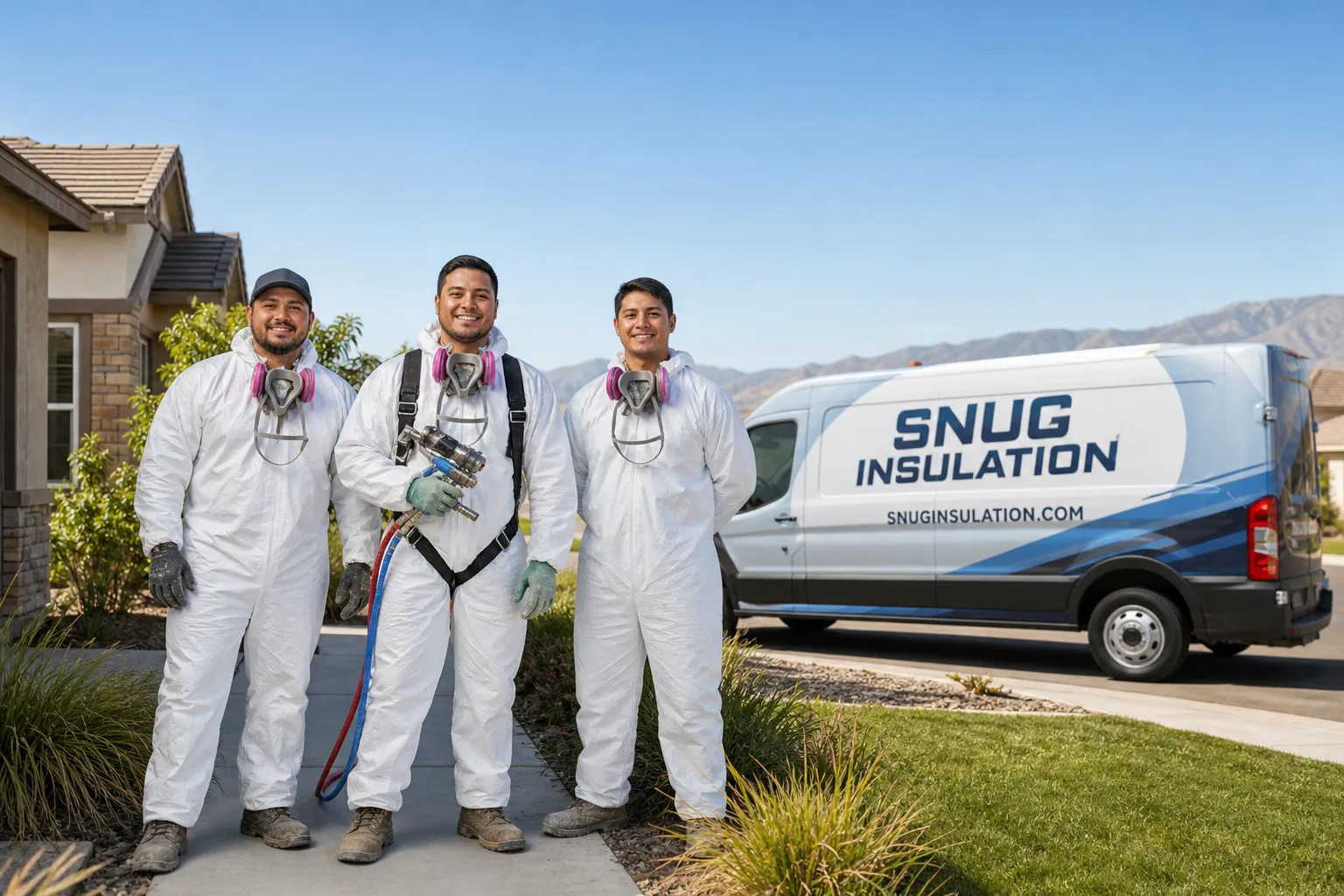
Fast, Reliable Attic Insulation Across Santa Monica
Attic insulation in Santa Monica is a different job than it is 15 miles inland. The salt-laden marine air off the Pacific attacks foil facings, staples, and vapor barriers years before they’d fail in Culver City or Beverly Hills, so the materials we specify here are chosen for moisture resistance first and thermal performance second. Snug Insulation has crews working in Santa Monica every week, from the 90402 bluffs above Pacific Coast Highway to the 1920s bungalow blocks south of Wilshire. When you call (844) 241-0737, you’re talking to a specialist who knows which insulation survives this damp, salty environment and which products turn into a mold problem within a few fog seasons.
Why Snug Insulation Is Santa Monica’s Preferred Attic Insulation Company
Noel Castaneda built Snug Insulation around a simple principle: match the material to the house, not the other way around. That approach matters more in Santa Monica than almost anywhere else in Los Angeles County, because the right answer here often isn’t the highest R-value product. It’s the product that won’t absorb marine-layer moisture and won’t corrode when the fog rolls through every morning from June through August.
We carry an eight-brand material roster: Owens Corning, Johns Manville, Knauf, Rockwool, CertainTeed, Icynene, Demilec, and GreenFiber. That breadth means we’re not pushing whatever fiberglass is cheapest in bulk this month. For a 1927 Spanish Colonial north of Montana, we might recommend Rockwool batts with stainless staples to resist salt corrosion. For a 1950s stucco tract house in 90404 with raised-floor crawl humidity, closed-cell spray foam from Icynene or Demilec might be the better call. The point is, we can prescribe the correct material for each attic, each crawl space, each wall cavity in your specific home. Most general contractors can’t, because they only stock one or two products.
Santa Monica homeowners call us because they’ve already tried the generalist route. They had someone blow in fiberglass five years ago, and now the ceiling is staining from condensation drip. We see it constantly. This is the only trade we do, which means every technician on our team thinks about air-sealing, vapor management, and corrosion resistance all day, every day.
Attic Cleaning Services in Santa Monica
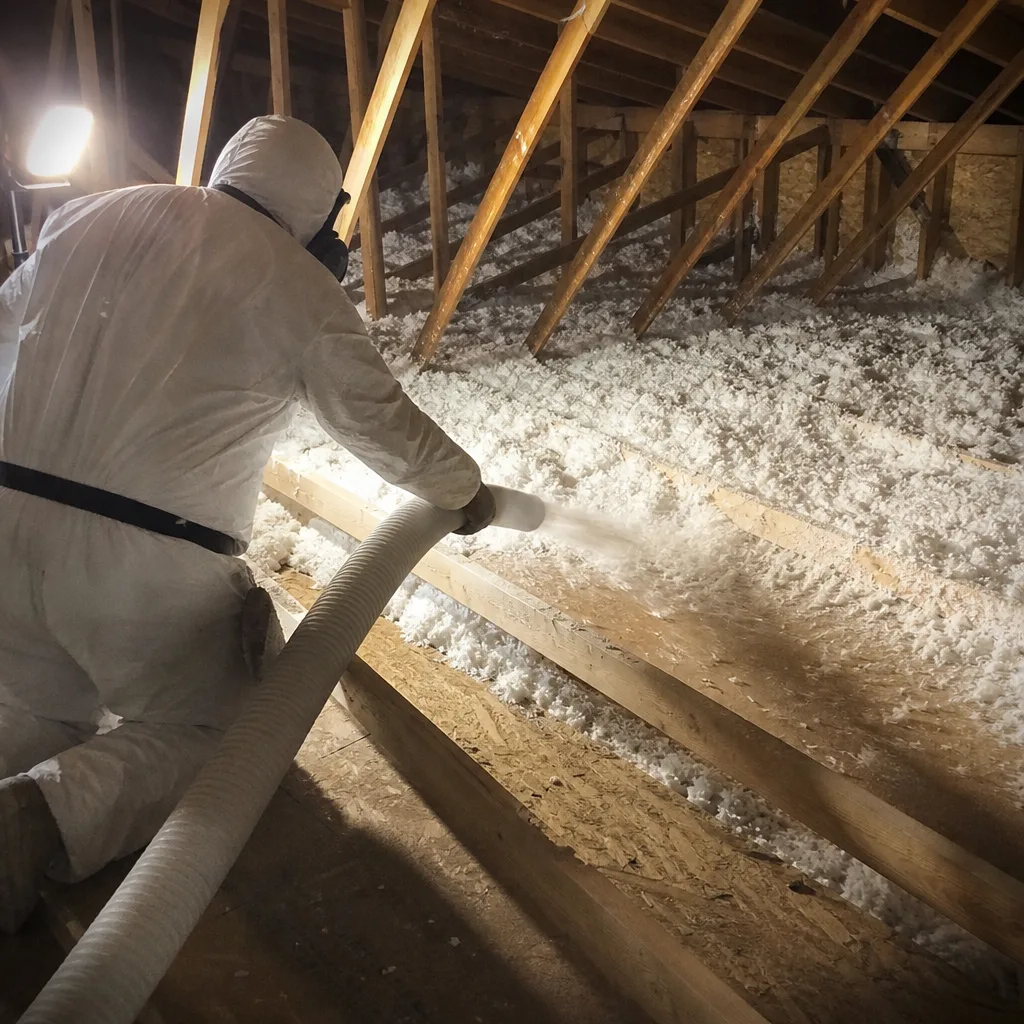
Attic Cleaning Services in Santa Monica involve more than pulling out old dust and debris. In homes within a mile of the Pacific, especially in 90402 and the north-of-Montana bluffs, cleaning means identifying salt-corroded foil facings, pitted staple lines, and degraded vapor barriers that are quietly letting marine-layer damp into your insulation. A proper clean includes removing debris and pest droppings, inspecting baffle and vent function, checking for pinhole corrosion on any existing foil product, and documenting moisture damage before new insulation goes in.
For a typical Santa Monica attic, expect to pay $400 to $900 depending on attic size, accessibility, and how much corroded material needs to be pulled out. Homes with tight access hatches or steep roof pitches on the ocean side of Ocean Avenue tend to run toward the higher end.
Debris Removal and Vent Assessment
Older Santa Monica homes collect decades of dust, rodent nesting material, and broken tile debris in attics. We clear it all, then verify that soffit and ridge vents are actually moving air. A plugged vent in a foggy marine climate means trapped moisture, and trapped moisture means mold and degraded insulation performance within a season or two.
Pre-Insulation Corrosion Check
Before any new insulation goes down, we inspect existing fasteners, foil facings, and vapor barriers for salt damage. Where we find pinhole corrosion, we flag it for replacement rather than covering it up with new material. Covering corroded foil with fresh batts creates the exact condensation trap that ruins ceilings a few years later.
What happens when you call
- 1
A real person answersNo phone trees — you reach a local pro.
- 2
You get an upfront price rangeHonest numbers before anyone is dispatched.
- 3
A background-checked tech heads outLicensed & insured, dispatched right away.
- 4
You approve before work beginsNothing starts until you say go.
Attic Mold Removal in Santa Monica
Attic Mold Removal in Santa Monica is a service we perform regularly, because the morning marine layer creates condensation conditions that inland homes simply don’t face. When humid ocean air hits a cold attic deck or a compromised vapor barrier, you get wet insulation and surface mold. The mold itself is a symptom. The root cause is almost always moisture, which is why our removal work always includes a functional fix: air-sealing penetrations, replacing failed vapor protection, and installing insulation that tolerates damp conditions.
Mold removal in a Santa Monica attic typically costs $800 to $1,500 depending on the square footage affected and whether the contamination has spread into insulation that must be removed and replaced. That figure includes treating the affected framing, not just wiping visible surface mold.
Salt-Air Barrier Failure and Mold
The most common mold pattern we see in 90402 and north of Montana starts with corroded foil vapor barrier. Salt spray pits the foil, pinholes form, and moist air moves through into the fiberglass behind it. Within a few months, that fiberglass is damp, and mold begins growing on the underside of the roof decking. Removing the mold without replacing the failed barrier means it comes right back.
Whole-Attic Moisture Correction
In 90404 and 90405 homes with stucco walls and raised-floor crawls, humid air migrates upward into attics even when the roof is sound. Our mold removal work frequently includes sealing top plates, recessed light fixtures, and any plumbing or electrical penetrations with closed-cell foam, then installing Rockwool batts that resist moisture rather than absorbing it.
Trusted Brands We Service in Santa Monica
We work directly with Johns Manville, Knauf, Rockwool, and CertainTeed, and we keep their products available for quick turnaround on Santa Monica jobs. Rockwool mineral wool is one of our most-specified materials in coastal zip codes like 90402 and 90403, because it’s moisture-tolerant, fire-rated, and doesn’t support mold growth the way fiberglass can when it gets damp. CertainTeed and Johns Manville give us high-performance batt and blown-in options for the stucco tract homes in 90404, and Knauf rounds out our batt roster when price matters more than premium materials. Being brand-agnostic means the recommendation you get is based on your attic’s actual conditions, not on what we happen to have left in the warehouse.
Common Attic Insulation Problems We See in Santa Monica Homes
- Salt-corroded staples and foil facings. Exposed fasteners on the ocean-facing slopes of 90402 pit and rust within a few years, and foil facings develop pinholes from salt spray. Both failures let damp air move into the insulation, cutting performance and inviting mold.
- Condensation drip from cool onshore fog. Original 1920s-40s vapor barriers trap moisture from marine-layer air, soaking attic insulation and staining ceilings below. We see this constantly in Spanish and California Colonial homes north of Montana.
- Mold from raised-floor crawl humidity. In 90404 and 90405, stucco tract homes and mid-century apartments often have crawl spaces that feed humid air into the attic through unsealed wall cavities. Batts without moisture resistance turn into damp sponges.
- Degraded original insulation in bungalows. Much of Santa Monica’s pre-war housing stock has original insulation that’s compacted, rodent-damaged, or simply gone. Attics in 1920s bungalows frequently have less than R-13, and some have none at all.
Key Takeaways for Santa Monica Homeowners
- Salt air and marine-layer damp, not heat, are the primary threats to attic insulation in Santa Monica.
- Material choice matters more than R-value in coastal zip codes like 90402 and 90403.
- Corroded foil facings and staples are a pre-1980s home failure pattern worth inspecting before adding insulation.
- Mold removal must address the moisture source, not just the visible surface growth.
- Snug Insulation services all four Santa Monica ZIP codes: 90401, 90402, 90403, and 90404.
Pricing for Attic Insulation in Santa Monica, CA
Attic insulation projects in Santa Monica generally run $1,800 to $6,500 depending on attic size, access, and the material you choose. Blown-in fiberglass or cellulose to bring an attic up to R-38 typically costs $1,800 to $3,200 for a standard 1,200 to 1,500 square foot attic. Rockwool batts with stainless staples run $2,800 to $4,800, and closed-cell spray foam runs $4,000 to $6,500. Attic cleaning without insulation replacement runs $400 to $900, and attic mold removal runs $800 to $1,500 depending on contamination extent. Homes with steep roof pitches or tight access hatches near the Santa Monica bluffs trend toward the higher end of every range. Call (844) 241-0737 for a free, specific quote on your attic.
We Also Serve Cities Near Santa Monica
Beyond Santa Monica, our crews regularly handle Attic Insulation projects in Venice, Century City, Culver City, and Beverly Hills. Each of those areas has its own housing stock quirks and moisture patterns, but the same material-matching approach applies. If you’re searching for Attic Insulation in Santa Monica or the surrounding communities, we’re already working in your neighborhood.
How Salt Air Changes the Right Insulation Choice in Santa Monica
In Santa Monica’s 90402 and north-of-Montana bluffs, the salt-laden onshore breeze corrodes exposed attic fasteners, foil facings, and vapor barriers years faster than anything you’ll find inland. A foil vapor barrier that looks fine after 15 years in Culver City will show pinhole corrosion after five years within a quarter mile of the Pacific. The staples holding batt insulation to roof rafters rust through and pop, dropping insulation onto the attic floor. This isn’t a cosmetic problem. Those pinholes and failed staples are how marine-layer damp enters your insulation, and once fiberglass gets wet, it loses thermal performance and becomes a mold substrate.
We specify stainless staples and closed-cell foam for coastal homes even where R-value alone wouldn’t call for it. That’s the key distinction in Santa Monica. A generic contractor calculating insulation needs by R-value chart will under-specify for corrosion, because the chart doesn’t know about salt spray. We do.
A Field Example from the 90402 Bluffs
On a 1928 Spanish bungalow a few blocks off San Vicente in the 90402 bluffs, our crew found the original attic insulation degraded and the foil vapor barrier pitted from salt air, and condensation was dripping onto the living room ceiling. The homeowner had been told by another company that they just needed more insulation blown in on top. That would have made the problem worse. We removed the failed barrier, air-sealed around every plumbing and electrical penetration with closed-cell foam, and installed Rockwool batts with stainless staples to resist future corrosion. The attic deck dried out within days, and the ceiling stains haven’t returned. That’s the difference between diagnosing the actual failure mode and just adding material until the chart says the R-value is right.
Older Stucco Homes in 90404 and 90405 Have Their Own Issues
The 1950s and 60s stucco tract homes across 90404 and southern 90405 present a different failure pattern than the coastal bungalows. These houses almost never have original attic insulation beyond a thin layer of degraded fiberglass, and their raised-floor crawl spaces act like humid-air pumps. Warm, damp crawl-space air rises through unsealed wall cavities into the attic, where it condenses against the cool underside of the roof deck on foggy mornings. Batt insulation with no moisture-resistant properties gets damp, loses loft, and eventually supports mold. The fix in these homes is air-sealing first: closed-cell foam at top plates and penetrations, plus a material like Rockwool that tolerates occasional damp exposure without breaking down.
What Fail Fastest and How We Prevent It
Exposed foil facings and staple lines fail first in Santa Monica attics, usually within five to seven years of installation near the coast. Galvanized steel fasteners pitted by salt spray come next, followed by opener chains and any exposed metal bracket work. The prevention is simple: don’t install foil-faced products where salt air will hit them, use stainless fasteners on anything exposed, and specify closed-cell foam at penetrations where damp air stacks up. We also recommend a corrosion inspection every two to three years for homes within a mile of the Pacific. Catching pinhole corrosion early means replacing a seam, not an entire attic system.
Serving Santa Monica, CA — Our Local Coverage Area
We’re based in the Santa Monica area and know this community well. Use the map below to see our service coverage — if you’re nearby, we can almost certainly help.
FAQs About Attic Insulation in Santa Monica
Because Santa Monica’s coastal marine layer means salt-laden moisture attacks insulation and fasteners year-round, while extreme temperature swings are rare. Corroded foil facings, pitted staple lines, and damp fiberglass cause more insulation failures here than high heating or cooling loads ever do.
We recommend an inspection every two to three years for homes within a mile of the ocean in 90402 and north of Montana. Salt corrosion moves fast on exposed metal and foil, and catching pinhole damage early saves thousands compared to replacing a saturated insulation system. Call (844) 241-0737 to schedule a free attic assessment.
Yes. We remove contaminated insulation, treat affected framing, fix the moisture source (usually air-sealing penetrations or replacing a failed vapor barrier), and install moisture-resistant replacement material. The mold removal itself costs $800 to $1,500 in Santa Monica depending on how far the contamination has spread.
Rockwool mineral wool is our most-specified material for Santa Monica attics because it’s moisture-tolerant, fire-rated, and doesn’t support mold growth when damp. Closed-cell spray foam from Icynene or Demilec works exceptionally well for air-sealing in coastal stucco homes. Johns Manville and Knauf batts are solid choices for inland-facing attics with good ventilation.
Yes. These 1950s and 60s tract homes typically need air-sealing at top plates, recessed light fixtures, and plumbing penetrations before any insulation goes in. Without that sealing, humid crawl-space air continues to migrate into the attic and soak the new insulation. Prep adds $300 to $700 to a typical project and prevents the most common recurrence of mold we see in those zip codes.
Contact Snug Insulation for Attic Insulation in Santa Monica
If your attic is damp, moldy, under-insulated, or showing signs of salt-air corrosion, call Snug Insulation at (844) 241-0737. We’ll send a specialist to assess your attic’s actual conditions and recommend the right material for your home’s specific situation. Free estimates, honest material recommendations, and crews who know Santa Monica’s coastal failure patterns firsthand. No pressure, no upsell, just a straight answer on what your attic needs and what it’ll cost.
Written by Noel Castaneda, Owner at Snug Insulation, serving Santa Monica and surrounding communities with material-matched attic insulation solutions.